Movement & Balance · 10 picks
Top 10 Movement Products for Kids Who Are Always Moving, Crashing, Jumping, or Spinning
The best movement products for kids who are always moving, crashing, jumping, spinning, climbing, or seeking heavy work — including bounce, balance, and obstacle-course tools.
Movement products should do more than burn energy. If your child is always moving, crashing into furniture, jumping nonstop, spinning, or asking for heavy work all day, the right movement tool can turn chaos into a safer regulation routine. We ranked these based on sensory value, versatility, and how likely they are to stay useful as a child grows.
How We Ranked These Picks
- We ranked products higher when they support meaningful vestibular or proprioceptive input rather than just generic activity.
- Versatile tools that can be reused in multiple movement games, obstacle courses, or therapy breaks scored better.
- Safety, footprint, and long-term usefulness mattered; novelty-only gear scored lower.
The Top 10
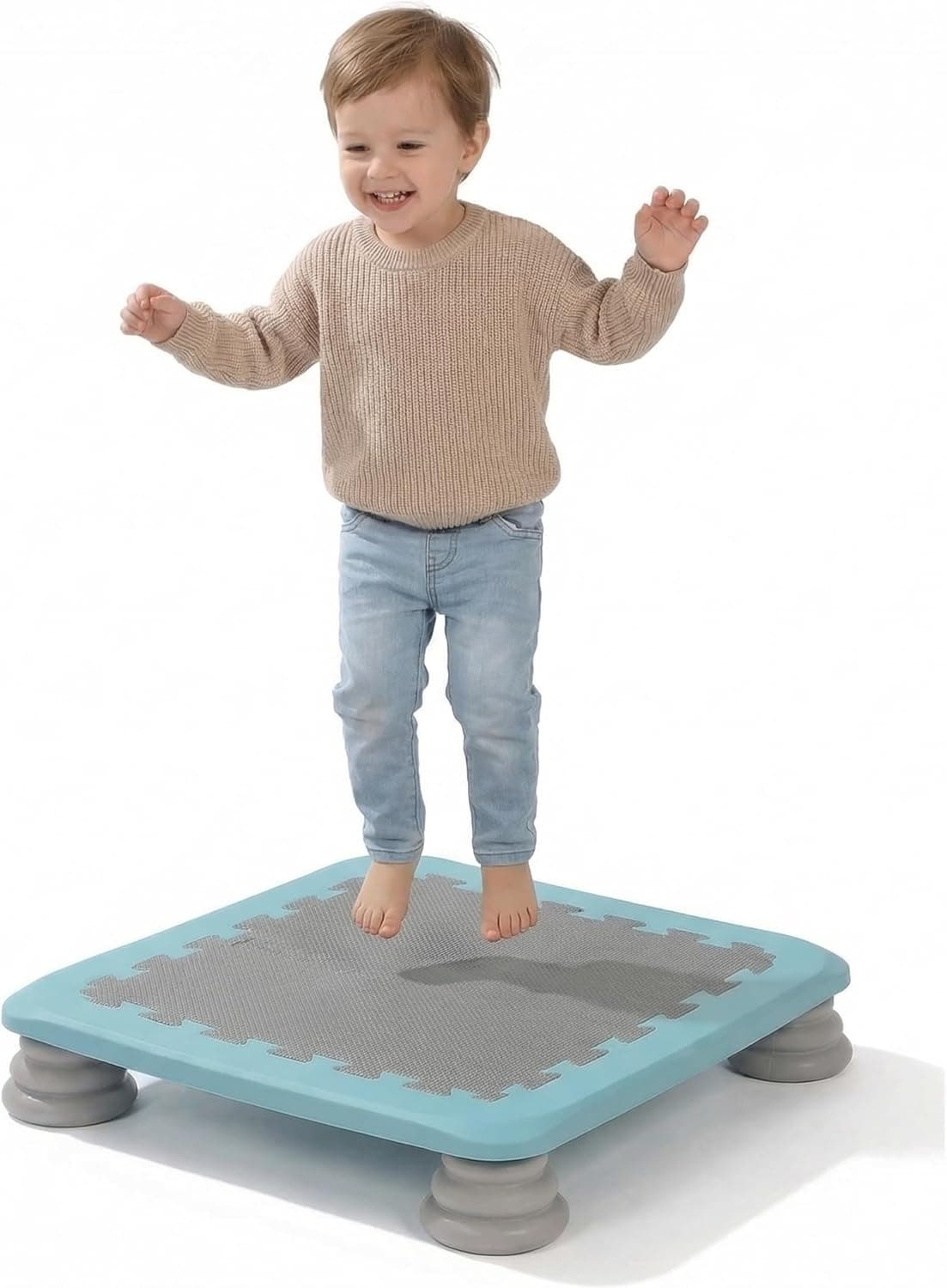
1. Mini Trampoline Sensory Bounce Board (25 inch)
SensoryBounce
Mini Trampoline Sensory Bounce Board (25 inch)
Best for
Sensory seekers who need to bounce for regulation
- Non-slip base
- Compact 25-inch size
- No assembly needed
- Higher price point
- Limited bounce height
- Weight limit — check specs
Direct product link
Why it ranks #1: Ranks first because bouncing is one of the fastest ways to deliver strong vestibular and proprioceptive input in a compact home setup.
Best for: Sensory seekers who need to bounce for regulation
Why it helps: Bouncing provides intense vestibular and proprioceptive input that helps organize the sensory system and burn energy safely.
What gives it an edge: Non-slip base; Compact 25-inch size.
Tradeoffs: Higher price point; Limited bounce height.
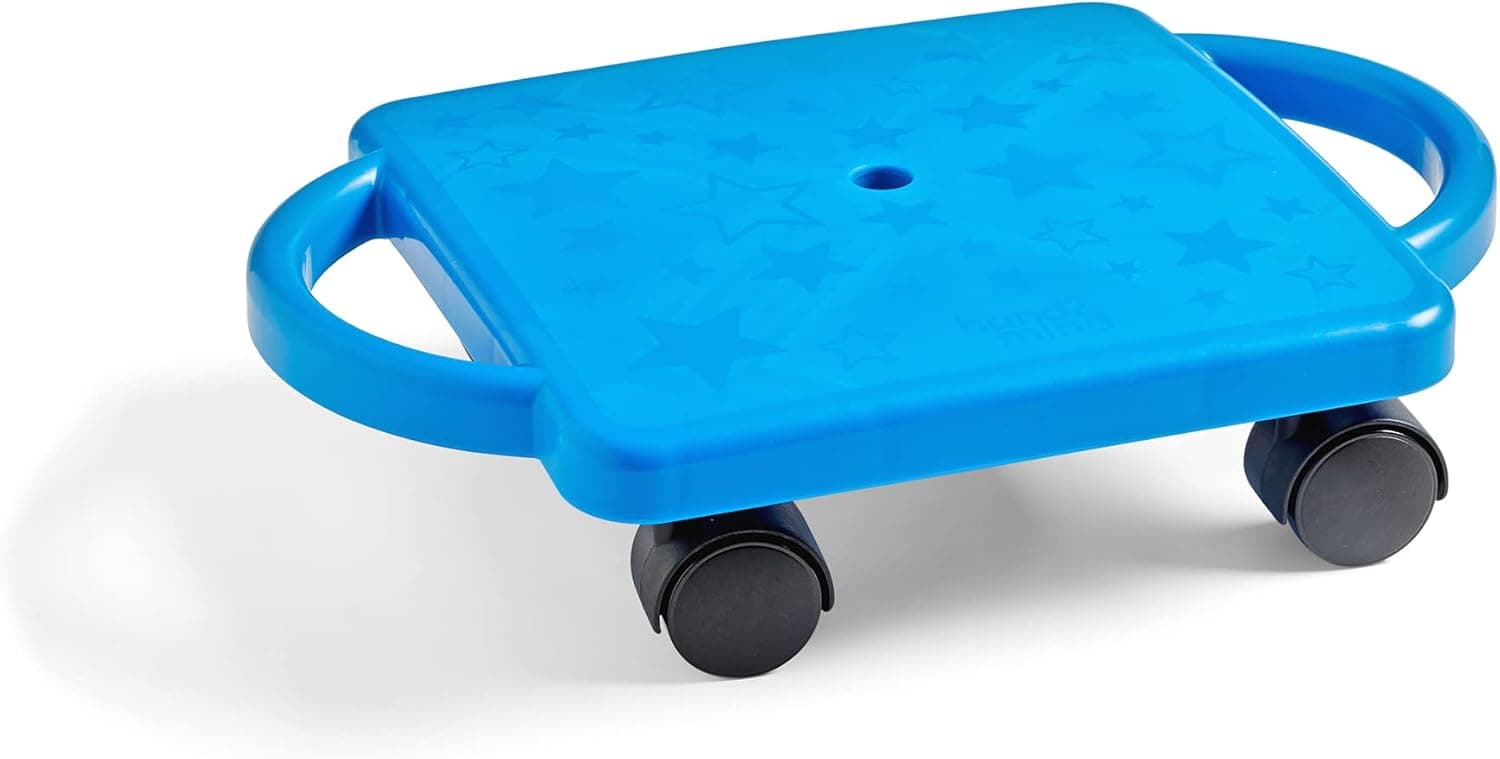
2. hand2mind Indoor Scooter Board with Handles
Best for
Kids in occupational therapy or who need vestibular/proprioceptive input at home
- Safety handles prevent finger pinching
- Classic OT therapy tool
- Smooth-rolling casters
- Noisy on hard floors
- Needs smooth surface
- No brake
Direct product link
Why it ranks #2: Placed second because scooter boards remain one of the most useful OT-style movement tools for core work, planning, and directional movement.
Best for: Kids in occupational therapy or who need vestibular/proprioceptive input at home
Why it helps: Scooter boards provide vestibular input in multiple planes — prone, seated, and kneeling — building core strength.
What gives it an edge: Safety handles prevent finger pinching; Classic OT therapy tool.
Tradeoffs: Noisy on hard floors; Needs smooth surface.
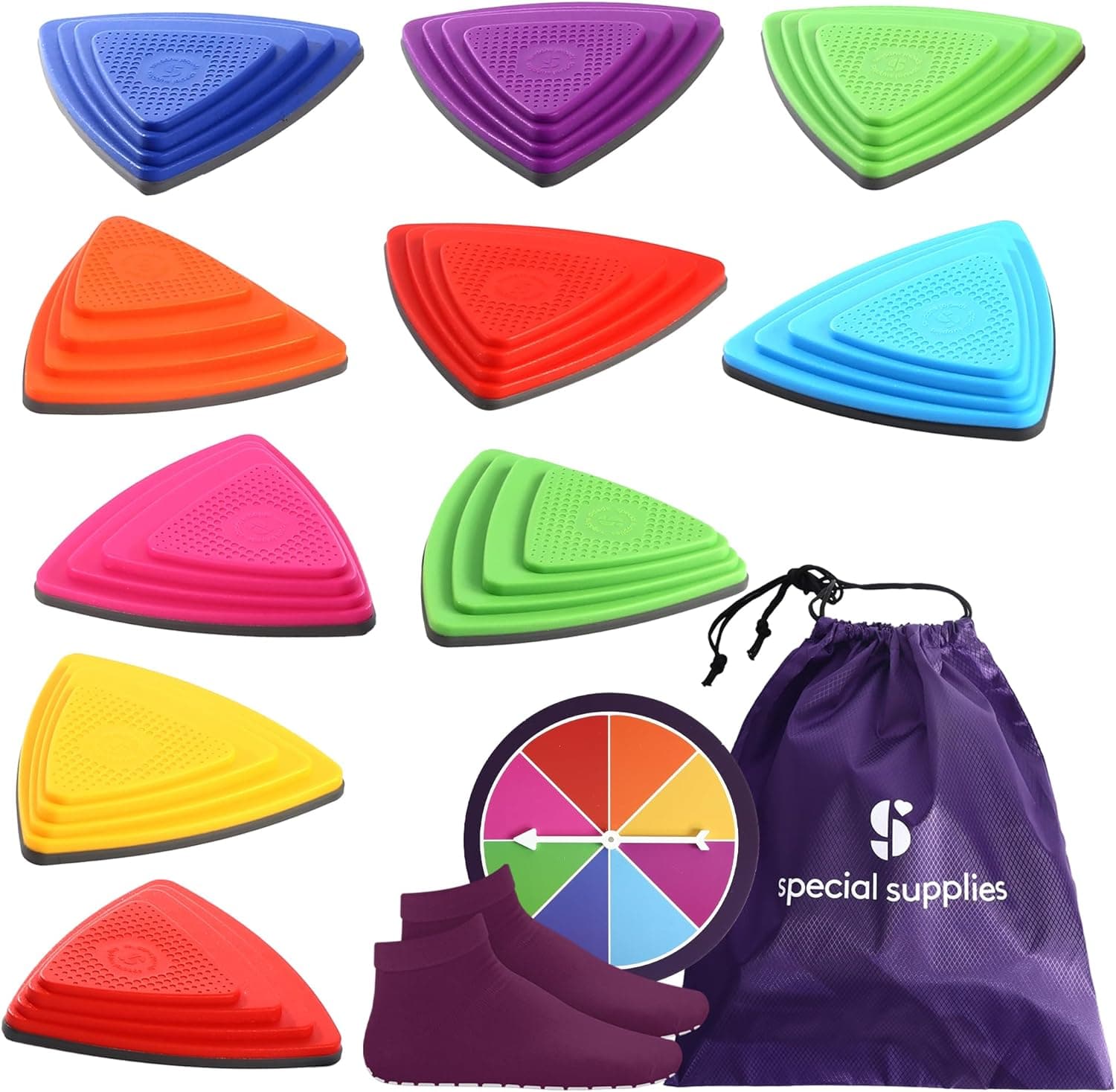
3. Special Supplies 10 Stepping Stones (Balance Blocks)
Special Supplies
Special Supplies 10 Stepping Stones (Balance Blocks)
Best for
Families who want more pieces for longer, varied obstacle courses
- 10 pieces for longer courses
- Non-slip bottoms
- Stackable storage
- Bulky to store
- Similar to smaller sets
Direct product link
Why it ranks #3: Ranks highly because structured stepping challenges balance, planning, and coordination without a permanent install.
Best for: Families who want more pieces for longer, varied obstacle courses
Why it helps: Larger sets enable more complex courses that challenge motor planning, sequencing, and dynamic balance.
What gives it an edge: 10 pieces for longer courses; Non-slip bottoms.
Tradeoffs: Bulky to store; Similar to smaller sets.
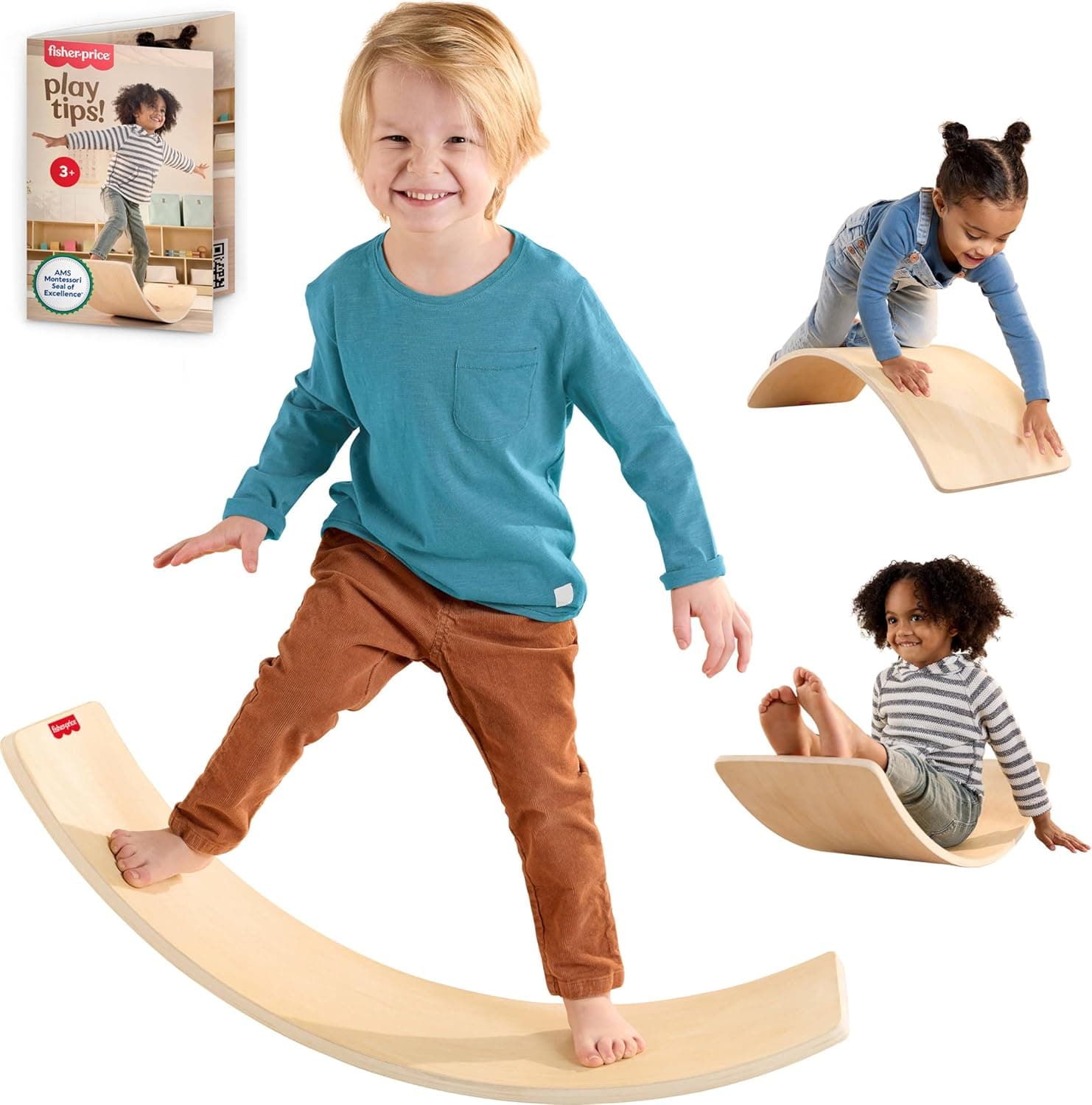
4. Fisher-Price Wood Montessori Balance Board
Fisher-Price
Fisher-Price Wood Montessori Balance Board
Best for
Toddlers and preschoolers developing balance and vestibular processing
- Montessori certified
- Natural wood construction
- Multiple uses (rock, bridge, slide)
- For younger kids only (weight limit)
- Takes up floor space
Direct product link
Why it ranks #4: A strong early-years movement pick that delivers gentle rocking vestibular input in a format many younger kids use often.
Best for: Toddlers and preschoolers developing balance and vestibular processing
Why it helps: Rocking on a curved board provides gentle vestibular input while building core strength and balance.
What gives it an edge: Montessori certified; Natural wood construction.
Tradeoffs: For younger kids only (weight limit); Takes up floor space.
5. Gentle Monster Wobble Balance Board (Wooden)
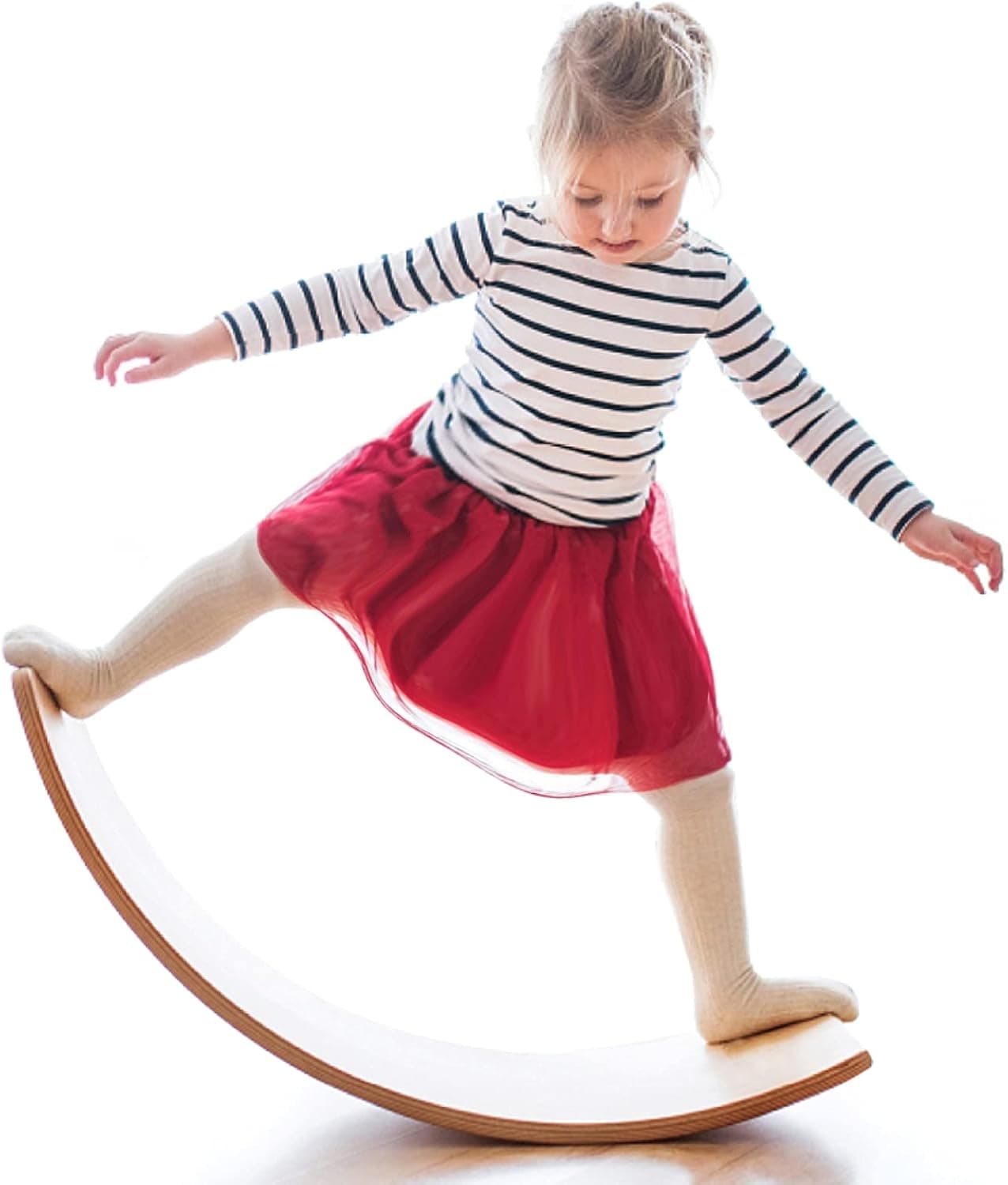
Gentle Monster
Gentle Monster Wobble Balance Board (Wooden)
Best for
Families wanting an open-ended movement toy for all ages
- Holds up to 440 lbs
- Open-ended play toy
- Beautiful natural wood
- Large footprint
- No non-slip surface on top
- Pricey
Direct product link
Why it ranks #5: Included high on the list because wobble boards remain useful across ages and support both structured and open-ended movement.
Best for: Families wanting an open-ended movement toy for all ages
Why it helps: Wobble boards challenge balance and engage the vestibular system, helping kids develop coordination and body awareness.
What gives it an edge: Holds up to 440 lbs; Open-ended play toy.
Tradeoffs: Large footprint; No non-slip surface on top.
6. 18 Piece Balance Beam Obstacle Course for Kids
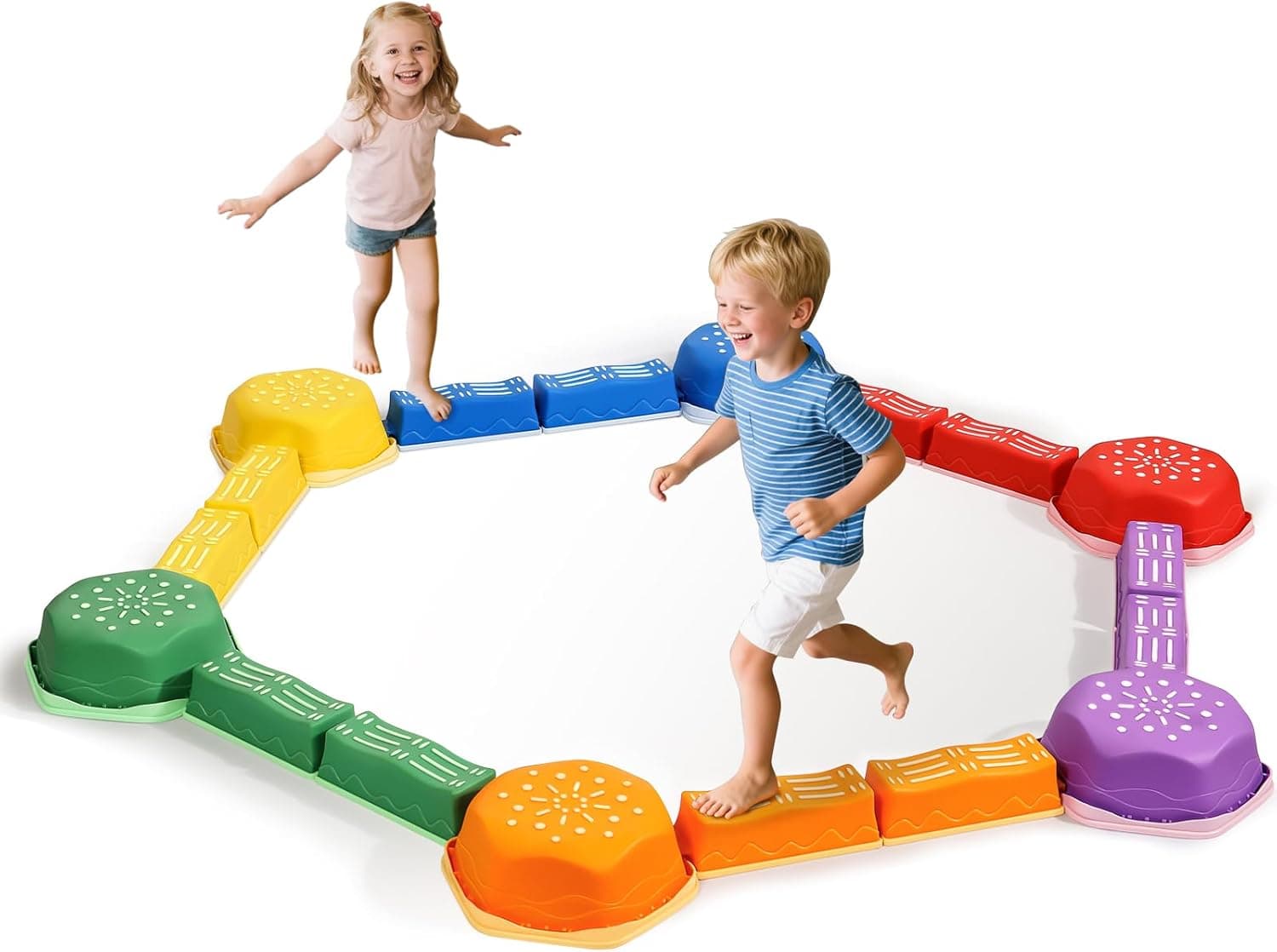
SensoryBounce
18 Piece Balance Beam Obstacle Course for Kids
Best for
Active families with space for a full obstacle course setup
- 18 pieces — biggest set
- Non-slip thick plastic
- Endless configurations
- Requires significant floor space
- Storage takes room
- Higher price
Direct product link
Why it ranks #6: Ranks for families wanting a larger home obstacle-course setup with more paths and sequencing options.
Best for: Active families with space for a full obstacle course setup
Why it helps: Large obstacle courses build endurance, motor planning, and vestibular processing through extended active play.
What gives it an edge: 18 pieces — biggest set; Non-slip thick plastic.
Tradeoffs: Requires significant floor space; Storage takes room.
7. HONEY JOY Wooden Balance Beam & Stepping Stones
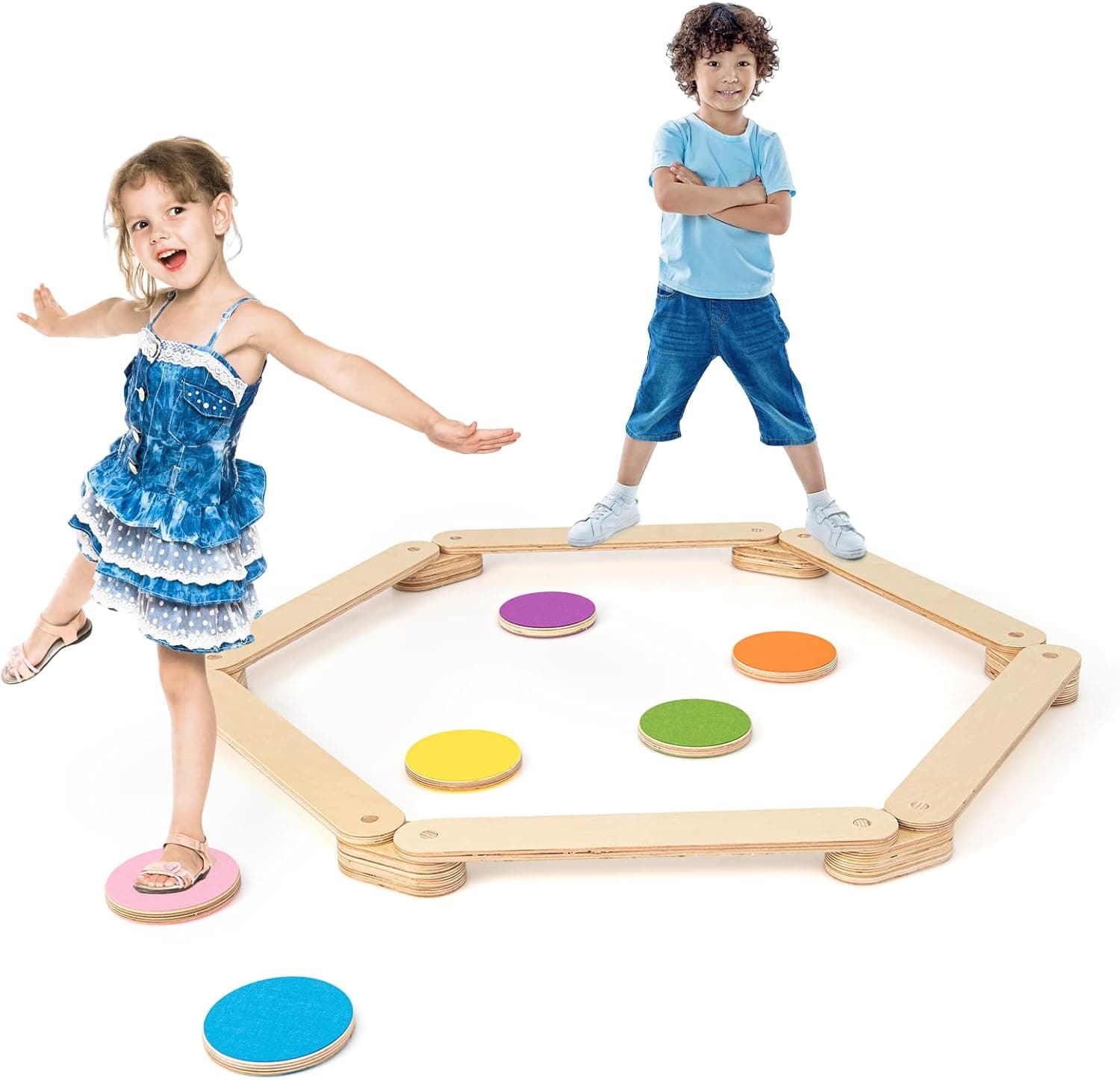
Best for
Families wanting premium, Montessori-style movement equipment
- Beautiful Montessori design
- Durable natural wood
- Multiple configurations
- Wood can be slippery
- Takes up space
- Pricier than plastic
Direct product link
Why it ranks #7: Placed here because wooden beam sets offer strong balance practice and visual appeal, though they need more space and supervision.
Best for: Families wanting premium, Montessori-style movement equipment
Why it helps: Wooden balance equipment provides a premium feel and stability that builds confidence during vestibular activities.
What gives it an edge: Beautiful Montessori design; Durable natural wood.
Tradeoffs: Wood can be slippery; Takes up space.
8. Special Supplies Stepping Stones for Kids (Balance Blocks)
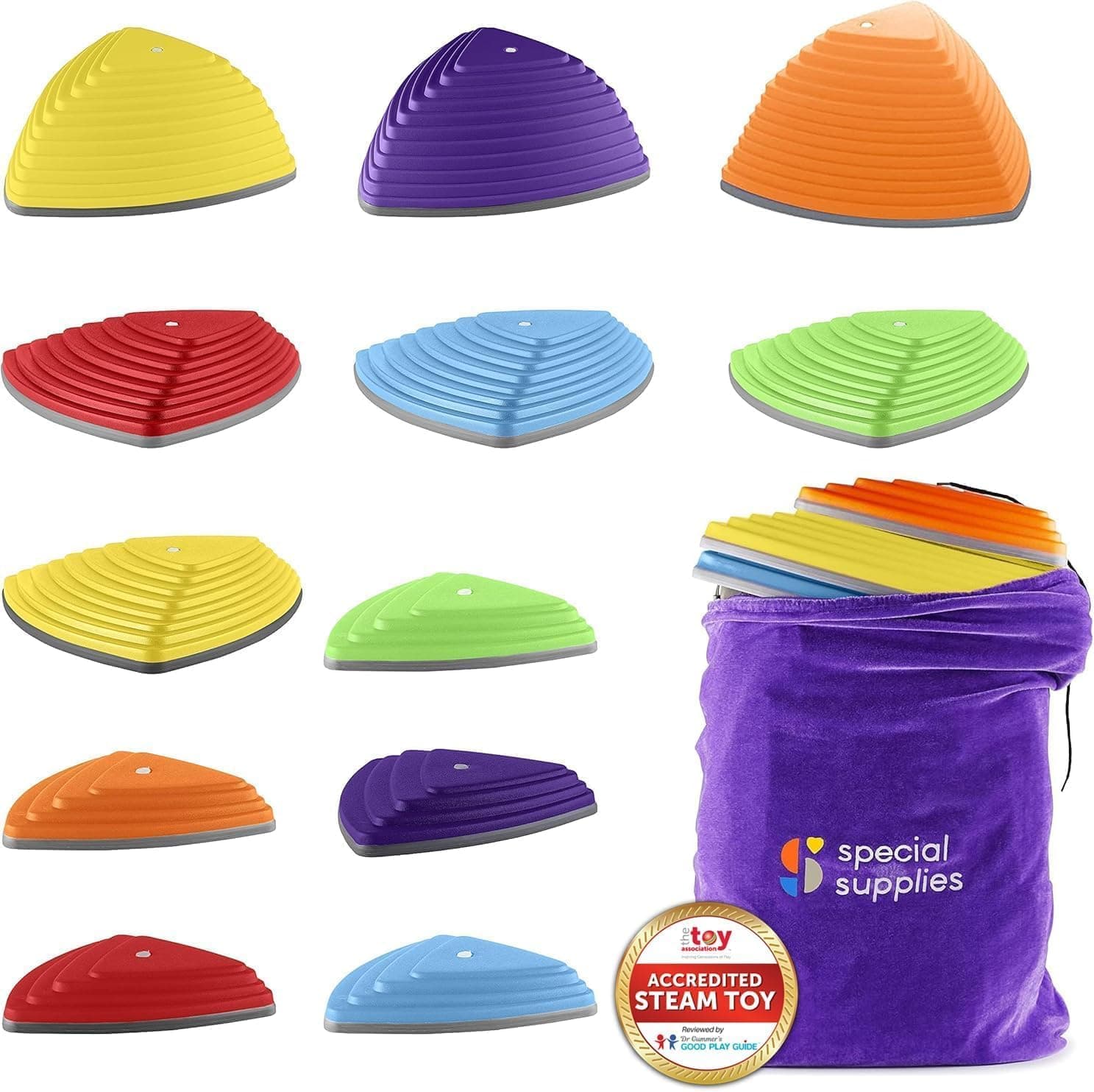
Special Supplies
Special Supplies Stepping Stones for Kids (Balance Blocks)
Best for
Kids who need gross motor challenges and vestibular input through play
- Non-slip rubber bottoms
- Bright engaging colors
- Create endless course layouts
- Takes up floor space when laid out
- Storage can be bulky
Direct product link
Why it ranks #8: Another strong stepping-stone option that stays in the top 10 because it is easy to adapt for different ages and challenges.
Best for: Kids who need gross motor challenges and vestibular input through play
Why it helps: Navigating stepping stones challenges the vestibular system and builds motor planning skills through play.
What gives it an edge: Non-slip rubber bottoms; Bright engaging colors.
Tradeoffs: Takes up floor space when laid out; Storage can be bulky.
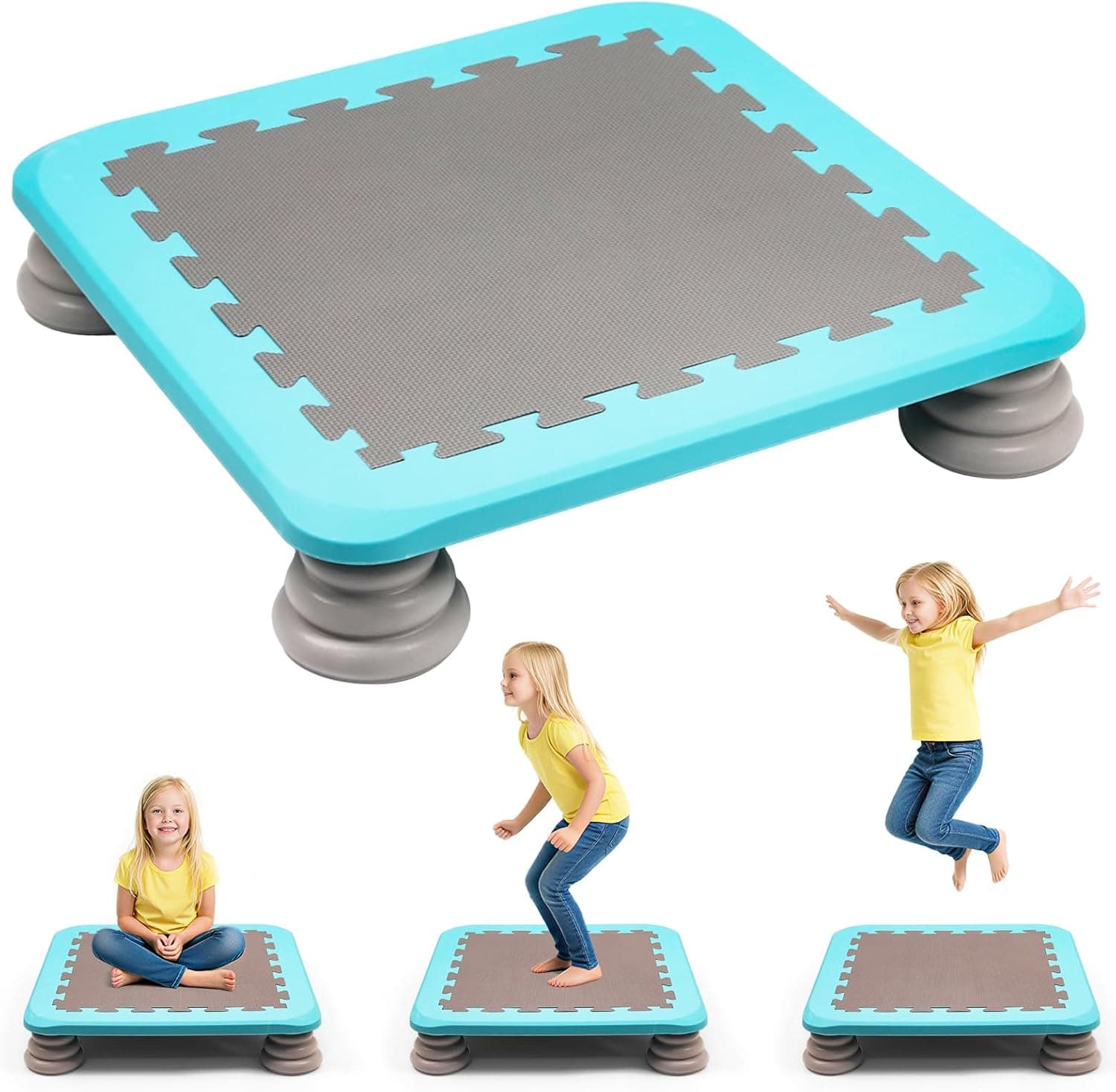
9. Mini Trampoline for Kids (25 inch, Balance & Bounce)
SensoryBounce
Mini Trampoline for Kids (25 inch, Balance & Bounce)
Best for
Families with limited space who still need a bounce option
- Compact 25-inch size
- Non-slip base
- Indoor and outdoor
- Limited bounce height
- Weight limit — check specs
Direct product link
Why it ranks #9: Makes the list because it gives similar regulation value to the top bounce board but with slightly less differentiation in this catalog.
Best for: Families with limited space who still need a bounce option
Why it helps: Compact trampoline provides intense vestibular input in a small footprint, perfect for apartment therapy setups.
What gives it an edge: Compact 25-inch size; Non-slip base.
Tradeoffs: Limited bounce height; Weight limit — check specs.
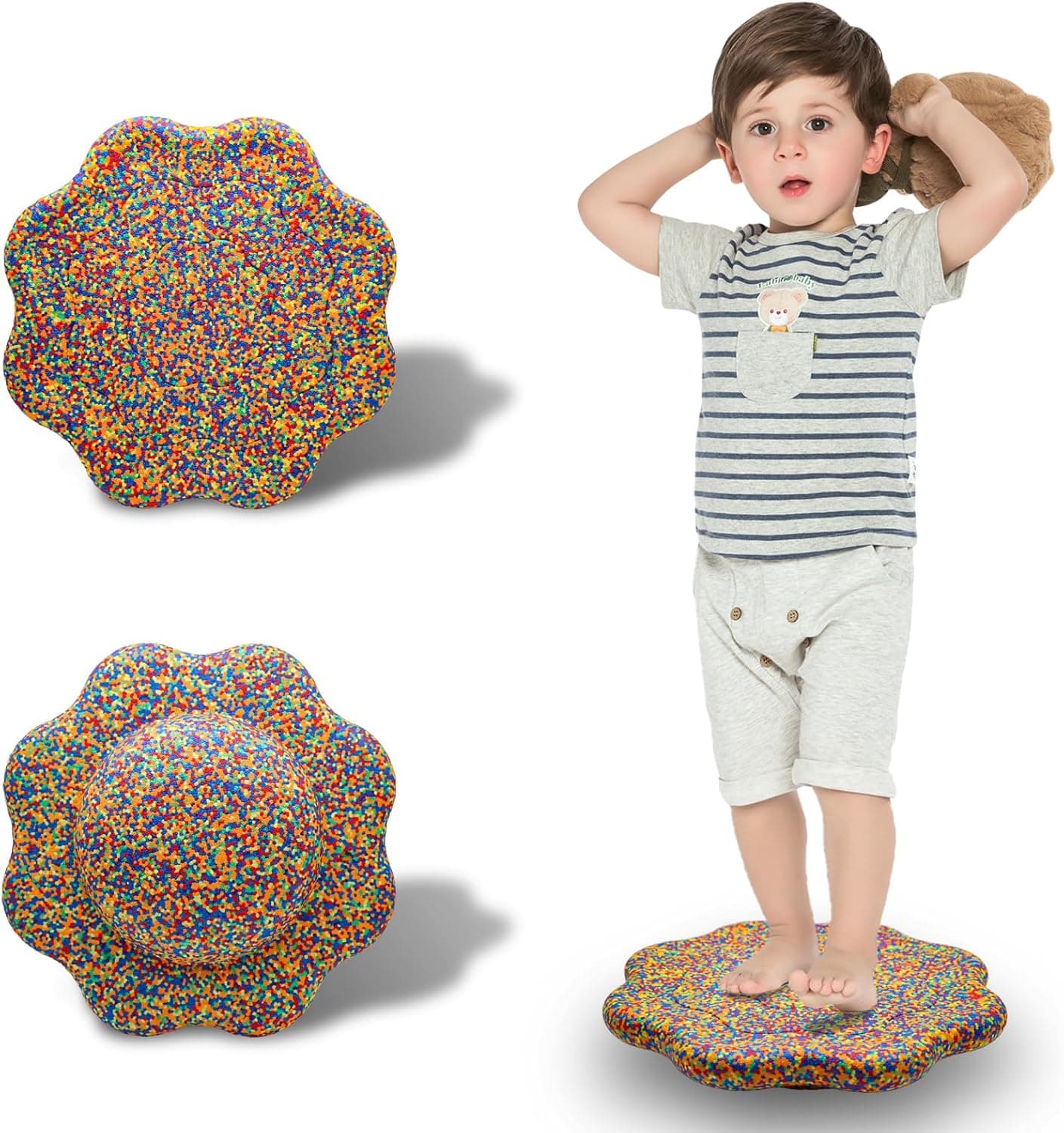
10. EPP Foam Balance Board for Kids (Stepping Stones)
Best for
Younger kids or cautious kids who need a softer balance challenge option
- Soft foam — safe if kids fall
- Lightweight and portable
- Multiple configurations
- Foam may compress over time
- Not as durable as wood
Direct product link
Why it ranks #10: Rounds out the list as the softest, lower-risk balance option for cautious or younger movers.
Best for: Younger kids or cautious kids who need a softer balance challenge option
Why it helps: Foam surfaces provide an extra balance challenge compared to rigid surfaces, increasing vestibular system engagement.
What gives it an edge: Soft foam — safe if kids fall; Lightweight and portable.
Tradeoffs: Foam may compress over time; Not as durable as wood.
Final Take
If you want the safest starting point in Movement & Balance, begin with the top 1–3 picks on this page. They rank highest because they are the easiest to recommend broadly, the most practical to live with, and the most likely to keep helping after the novelty wears off.